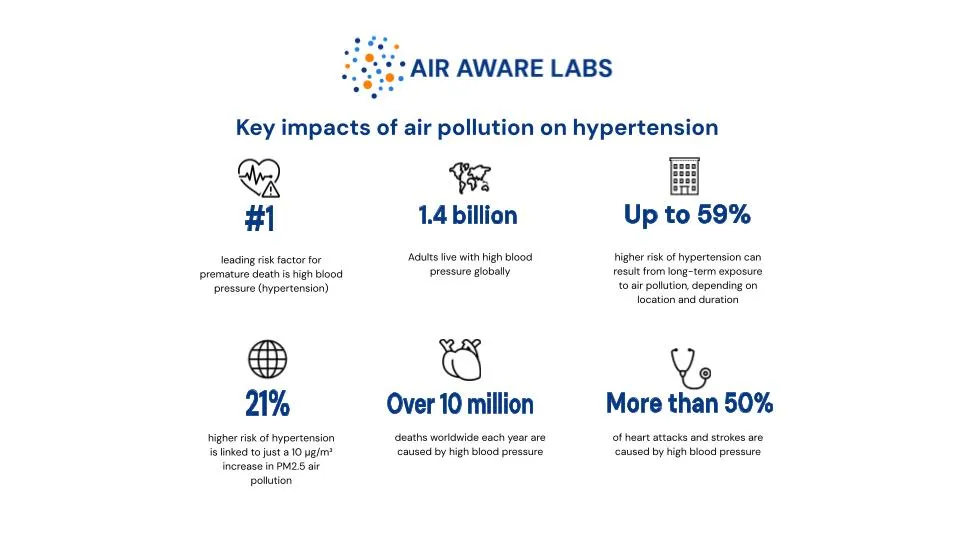
Air Aware Labs in the Top 30 of The Longevity Show Startup Competition

June 1, 2026
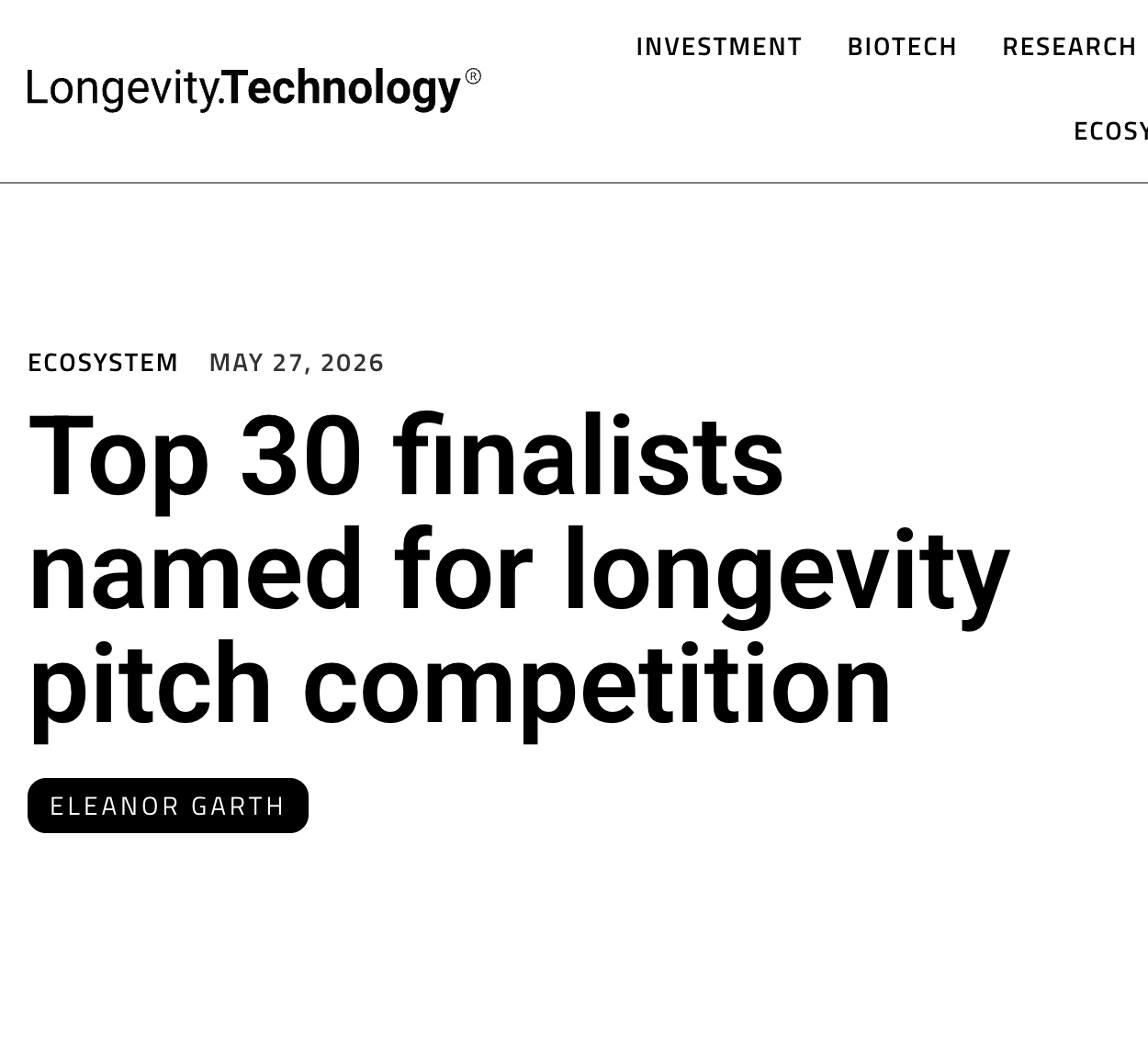
Air Aware Labs has been featured by Longevity Technology as one of the 30 startups advancing in The Longevity Show's inaugural pitch competition, which highlights innovation across AI, diagnostics, preventive care, and longevity science.
This recognition reflects a broader shift in the longevity field expanding beyond genetics and clinical interventions to include the environmental factors that shape long-term health.
Why air quality matters for longevity
Air pollution is now widely recognised as one of the most significant environmental risk factors for human health. According to the World Health Organisation, the combined effects of ambient and household air pollution are associated with approximately 7 million premature deaths annually worldwide.
Fine particulate matter (PM2.5) and nitrogen dioxide (NO2) are key drivers of this burden. Long-term exposure has been linked to cardiovascular disease, stroke, chronic respiratory illness, and neurological conditions, largely through pathways involving systemic inflammation and oxidative stress.
Critically, from a longevity perspective, air pollution is associated with measurable reductions in life expectancy. The Air Quality Life Index (AQLI), published by the Energy Policy Institute at the University of Chicago, finds that particulate air pollution reduces average global life expectancy by approximately 2.2 years — an impact greater than that of smoking, HIV/AIDS, or conflict. Research published in Environmental Science & Technology Letters further estimates gains of approximately 0.6 years of life expectancy (interquartile range 0.2–1.0 years) for every 10 µg/m³ reduction in long-term PM2.5 exposure across populations.
Lifespan and healthspan implications
For longevity science, this matters because air pollution impacts both lifespan — how long we live, and healthspan, how long we live in good health. Research from the Global Burden of Disease framework consistently shows that air pollution contributes significantly to years of life lost and disability-adjusted life years across populations.
This places environmental exposure alongside other established longevity pillars such as nutrition, physical activity, and medical innovation.
A hidden but highly variable exposure
Unlike many health risk factors, air pollution exposure is highly dynamic and personal. Concentrations of pollutants vary significantly between cities, neighbourhoods, commuting routes, and indoor environments. This variability means that even within the same city, individuals can experience very different exposure profiles depending on their daily movement patterns: a challenge not captured by most regional air quality reporting systems.
"Air pollution is the biggest environmental threat to public health, and yet it's invisible for most people." — Louise Thomas, CEO, Air Aware Labs
Making environmental exposure part of the longevity conversation
At Air Aware Labs, we focus on translating environmental data into personalised insights helping make air pollution visible in the context of daily life and movement.
This recognition from The Longevity Show highlights a broader shift in longevity thinking: that long-term health is shaped not only by biology and behaviour, but also by the environments we move through every day. As the field evolves, environmental exposure is increasingly being recognised as a key lever in improving both prevention and healthy ageing outcomes.
.svg)