


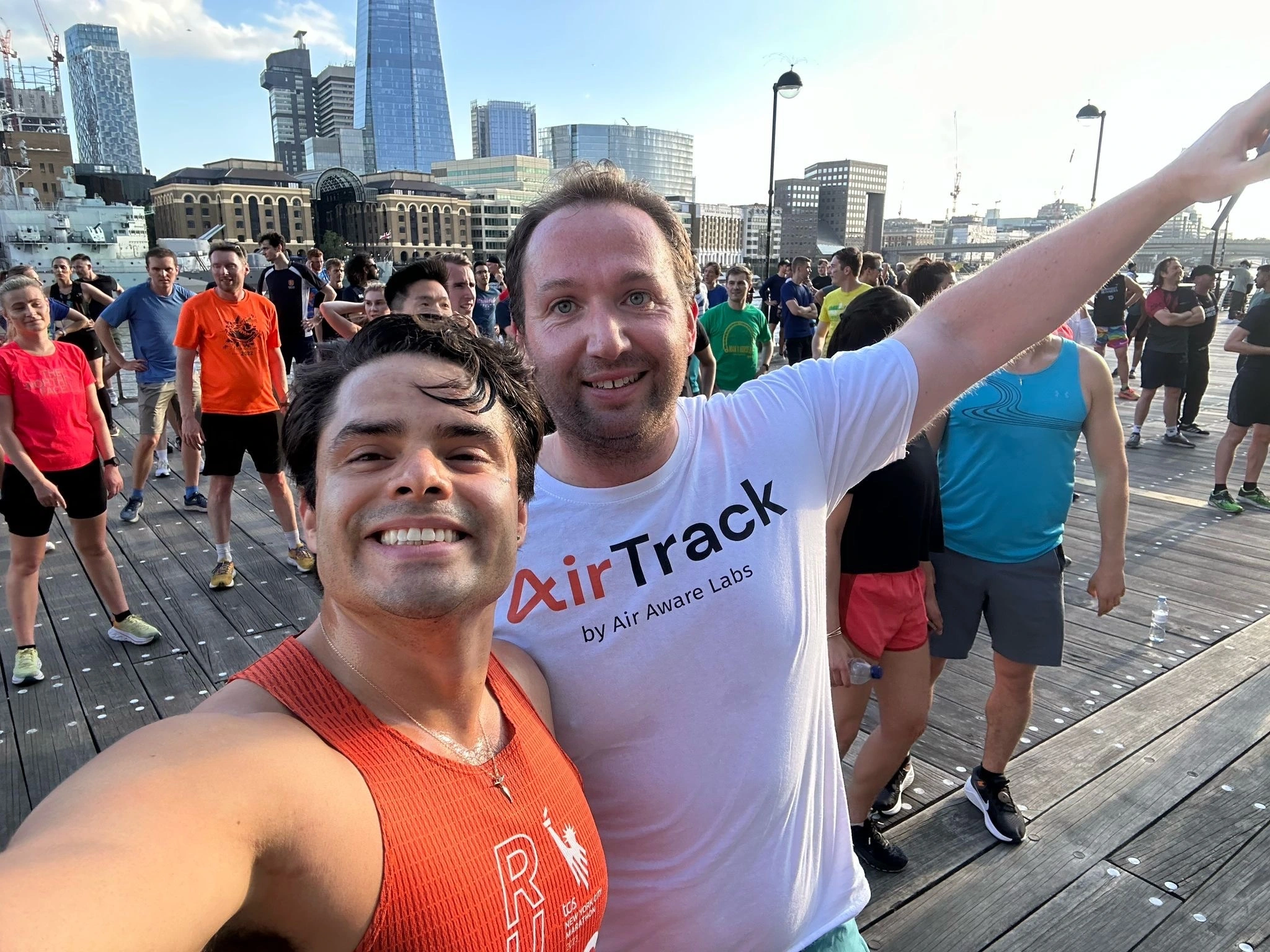
Pollution levels change throughout the day depending on traffic, weather, and how air moves through city streets.
Marathon runners breathe 10–20× more air than at rest. Small changes to when and where you run can cut your pollution intake by up to 30% without losing a single kilometre of training.
Even small reductions in pollution exposure can make a meaningful difference to your health, energy, and endurance.
AirTrack gives you the insights to train in cleaner air so you can keep doing what you love, for longer.
.webp)
More air inhaled per minute while running than at rest – IOC Consensus Statement, 2024
Slower race times linked to elevated PM2.5 exposure during training – Scientific Reports, 2023
Less harmful exposure by changing route or time – Frontiers in Sustainable Cities, 2021
million deaths from ischaemic heart disease and 900,000 from stroke were caused by ambient air pollution in 2019 alone – World Heart Federation, 2024
chronic respiratory disease deaths are attributable to air pollution, a risk that multiplies for runners who inhale far deeper during exercise – State of Global Air, 2025
of the global population lives in areas where PM2.5 pollution is high enough to actively cancel out the health benefits of regular exercise – UCL, 2025
Choosing quieter paths over busy roads can significantly cut what you breathe in across a long training run.
Parks aren't always clean. Wind can carry road pollution directly into open green spaces. Always check real-time data before heading out – conditions vary day by day.
Parks and green spaces: Away from traffic, with better air movement. Often the cleanest urban routes.
Quiet residential streets: Significantly cleaner than A-roads, it is worth routing slightly around them.
Avoid arterial roads & busy junctions: High nitrogen dioxide and particulate matter, especially during peak hours. Even short stretches add up over a long run.
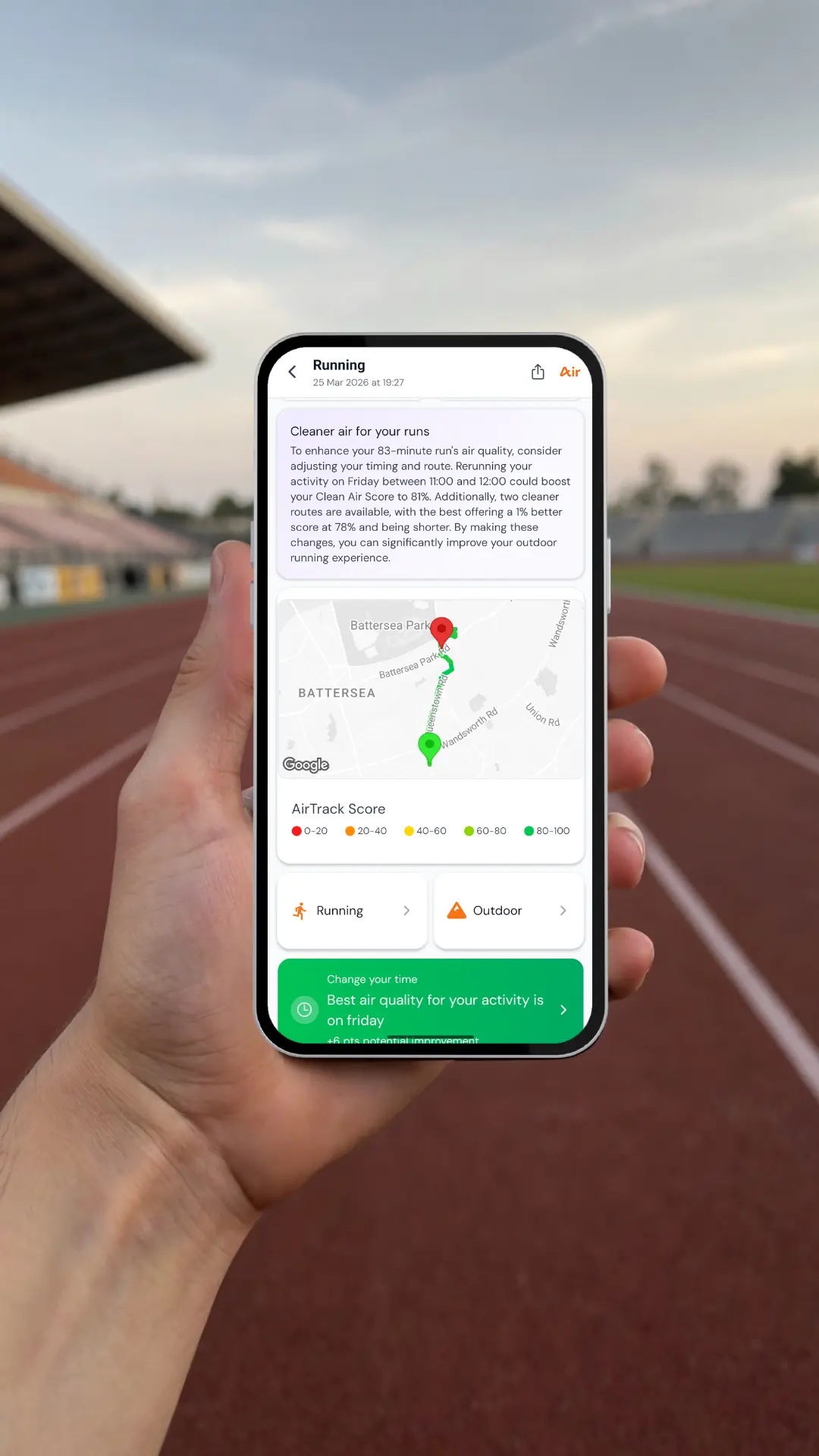
Traffic is one of the biggest influences on urban air quality during the day. Plan your times and routes when heading out and you can breathe significantly cleaner air across your training week.
Air quality changes quickly. Levels can vary significantly day by day. Wind, weather and local traffic patterns can shift conditions throughout the day. Always check real-time data with AirTrack before heading out.
Before traffic builds: Often the cleanest window of the day. Early mornings typically have the lowest roadside pollution before vehicles accumulate.
Post-rush hours: As traffic drops and temperatures rise, pollutants begin to disperse and air quality often improves.
Weekends: Generally lower traffic volumes mean fewer vehicle emissions, especially on residential routes and park paths.
After rain: Rain helps wash particulate pollution out of the air, often leaving noticeably cleaner conditions for running.
.webp)
Learn how air quality influences athlete health and performance through leading research and data.
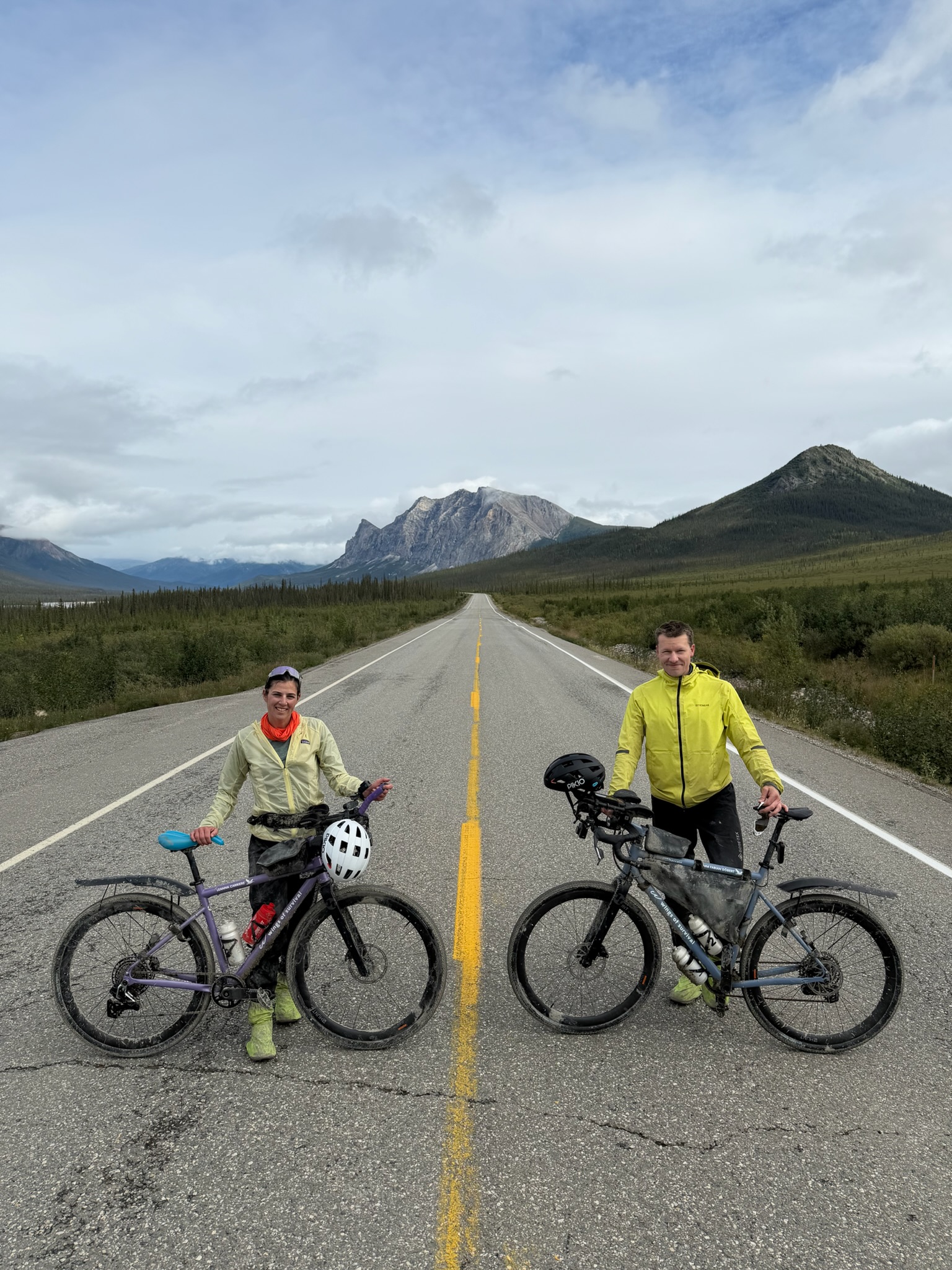
PRESS RELEASE - Sharing our latest story for International Clean Air Day — AirTrack has been tracking the air quality experienced by the Wings of Survival team as they cycle 30,000km from the Arctic to Patagonia. The August data reveals some fascinating changes in air quality across the route, including the impact of wildfire smoke.
Read more.png)
PRESS RELEASE - AirTrack launches Garmin® data integration on Clean Air Day, adding personalised air quality insights into every activity
Read more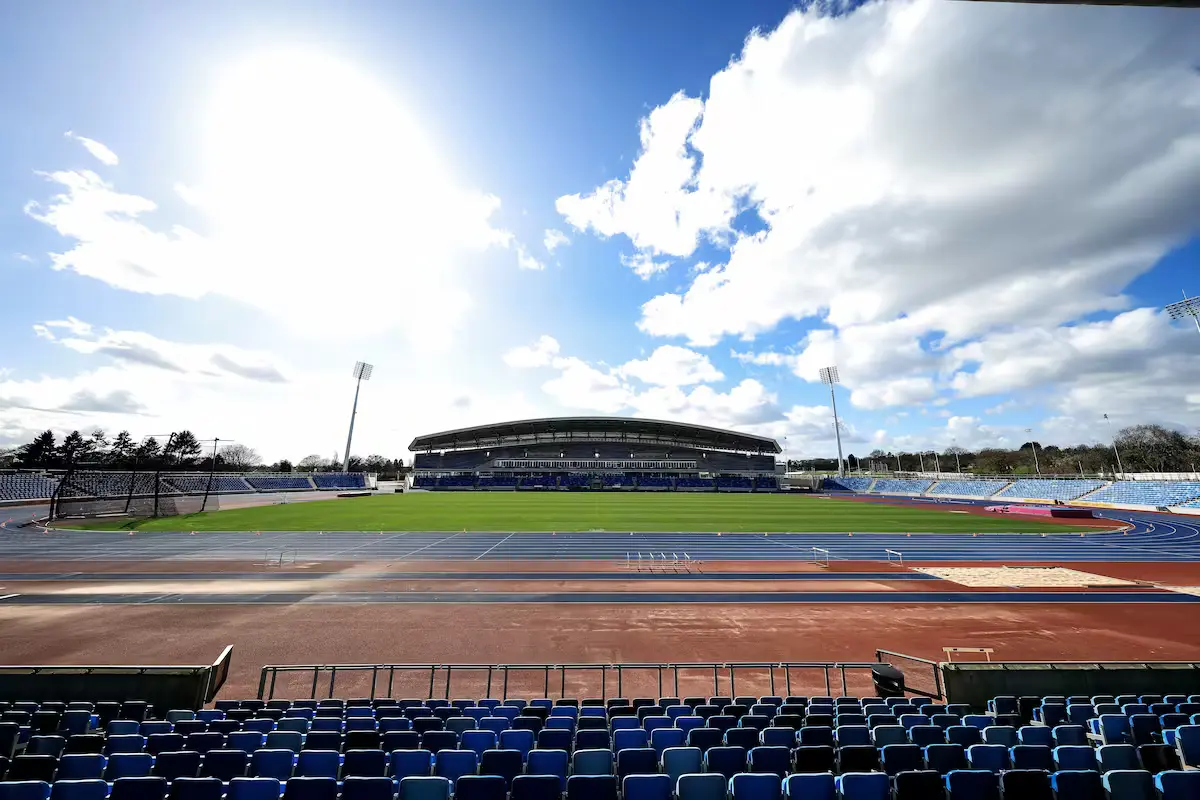
We provided air quality modelling across the Birmingham 2026 European Athletics Championships, covering seven days of competition, thirteen stadium sessions, two marathons and four race walks. Every athlete also received three months of AirTrack Premium to support training decisions during the week and beyond.
Read more
Thirteen days and 1,804km into their 30,000km ride from the Arctic to Patagonia, Timm Döbert and Leanna Carriere have left the remote solitude of Alaska's Dalton Highway behind and crossed into the Yukon, Canada, the second country of their nine-month expedition.
Read more
Our co-founder and Chief Scientific Officer, Dr. Will Hicks, wrote a guest article for TrainingPeaks on how air pollution affects endurance performance and what athletes can do about it.
Read more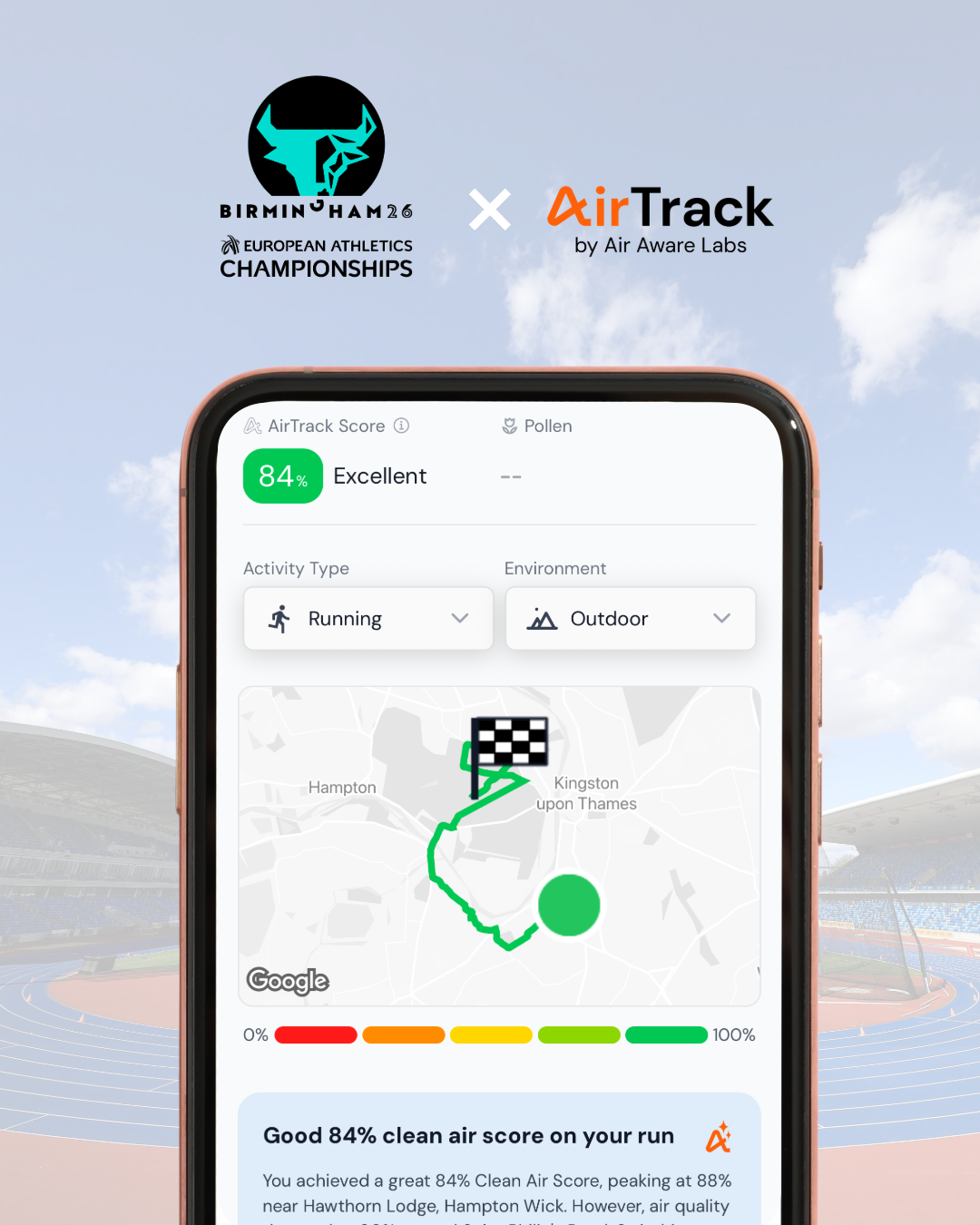
Today and throughout the week of the Championships, we're providing live air quality data to athletes and spectators at the European Athletics Championships in Birmingham.
Read more