
High blood pressure: how air pollution combines with this silent killer

June 10, 2026
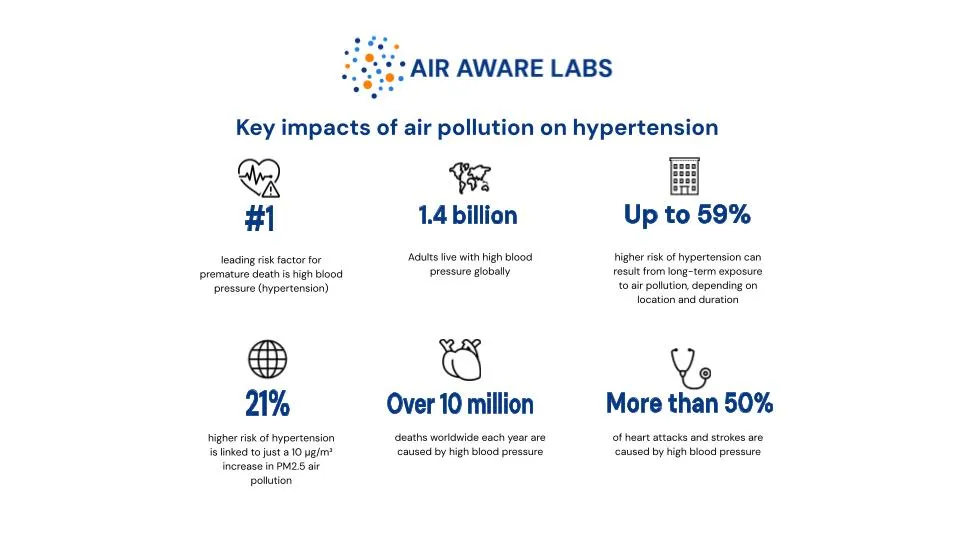
Air pollution can affect more than just your lungs. Constant exposure and inhalation of fine particulate matter (PM2.5) has been linked to an increased risk of high blood pressure, also known as hypertension. High blood pressure is often referred to as the “silent killer” because it rarely causes noticeable symptoms, yet it can severely damage the cardiovascular system.
An estimated 1.4 billion adults globally live with hypertension. This equates to around 1 in 3 adults in the UK and 30% of the world's population. High blood pressure is responsible for an estimated 10 million total deaths annually. These alarming statistics highlight the urgent need to examine how the air we breathe may be silently increasing the risk of high blood pressure worldwide.
The Science
When fine particulate matter is inhaled and enters the lungs it can cause oxidative stress and systemic inflammation. The fine particulate matter carries heavy metals and toxic chemicals deep into the lungs where they can induce cellular damage, spill into the blood stream and cause an inflammatory response throughout the whole body. This forces your heart to work harder and ultimately raises your blood pressure. The ongoing damage will cause the inner lining of your blood vessels to narrow and stiffen, lessening overall blood flow and increasing arterial resistance. In addition, inhaling foreign particles will simultaneously stimulate the nervous system prompting a stress response to also constrict blood vessels and increase heart rate.
Inhalation of polluted air and fine particulate matter is a chain reaction that leads to damaged blood vessels and a tired heart. Constant narrowing, constricting and stiffening of blood vessels paired with a racing heart will quickly raise your blood pressure leading to hypertension.
Long-term effects
Short term exposure to air pollution will trigger an immediate spike in systolic and diastolic blood pressure levels. Overtime, however, long-term continuous exposure can lead to a complete structural change in the arteries permanently increasing arterial resistance and overall baseline pressure. Gradually, hypertension will damage and strain vital organs and the cardiovascular system making it harder to circulate blood flow at a normal rate. If left untreated, hypertension can increase the risk for life threatening conditions such as heart attacks, strokes, and vascular dementia.
What you can do
While exposure to air pollution is often inevitable, there are things you can do to lessen your exposure and protect your blood pressure. Adjusting outdoor activities to avoid busy roads, using portable indoor air filters, and avoiding burning solid fuels at home are proactive steps to help limit the cardiovascular burden of air pollution. In addition, with AirTrack, users can see active insights on air quality, monitor their local Air Quality Index, and see personalised route recommendations that help minimise exposure to harmful pollutants. Air quality affects more than your lungs; it can quietly increase the risk of high blood pressure and place a lasting burden on the heart, blood vessels, and other vital organs.
If you're interested in learning more about the science of what we breathe and cardiovascular health, we’ve compiled research on air quality in our Evidence Bank. This article builds directly on our previous collaborative articles on Heart Health and Chronic Disease providing a comprehensive overview of the evidence linking environmental exposures to long-term cardiovascular outcomes.
Know your air. Download AirTrack.
Mia Simons, overseen by Will Hicks
.svg)