WEF: Wearables measure a range of useful data – but are they missing the full picture?

March 10, 2026

See full article here. Image: Reuters/Toby Melville. To see all of our WEF blog, see our contributor page.
We've entered an age of personal physiology. Wearables track our heart rate, sleep and VO2 (the maximum amount of oxygen your body can use during intense exercise) with astonishing precision. Yet they miss half the story.
Wearables’ dashboards tell us what is happening in our bodies but they fundamentally fail to tell us why, because environmental health is missing from the picture.
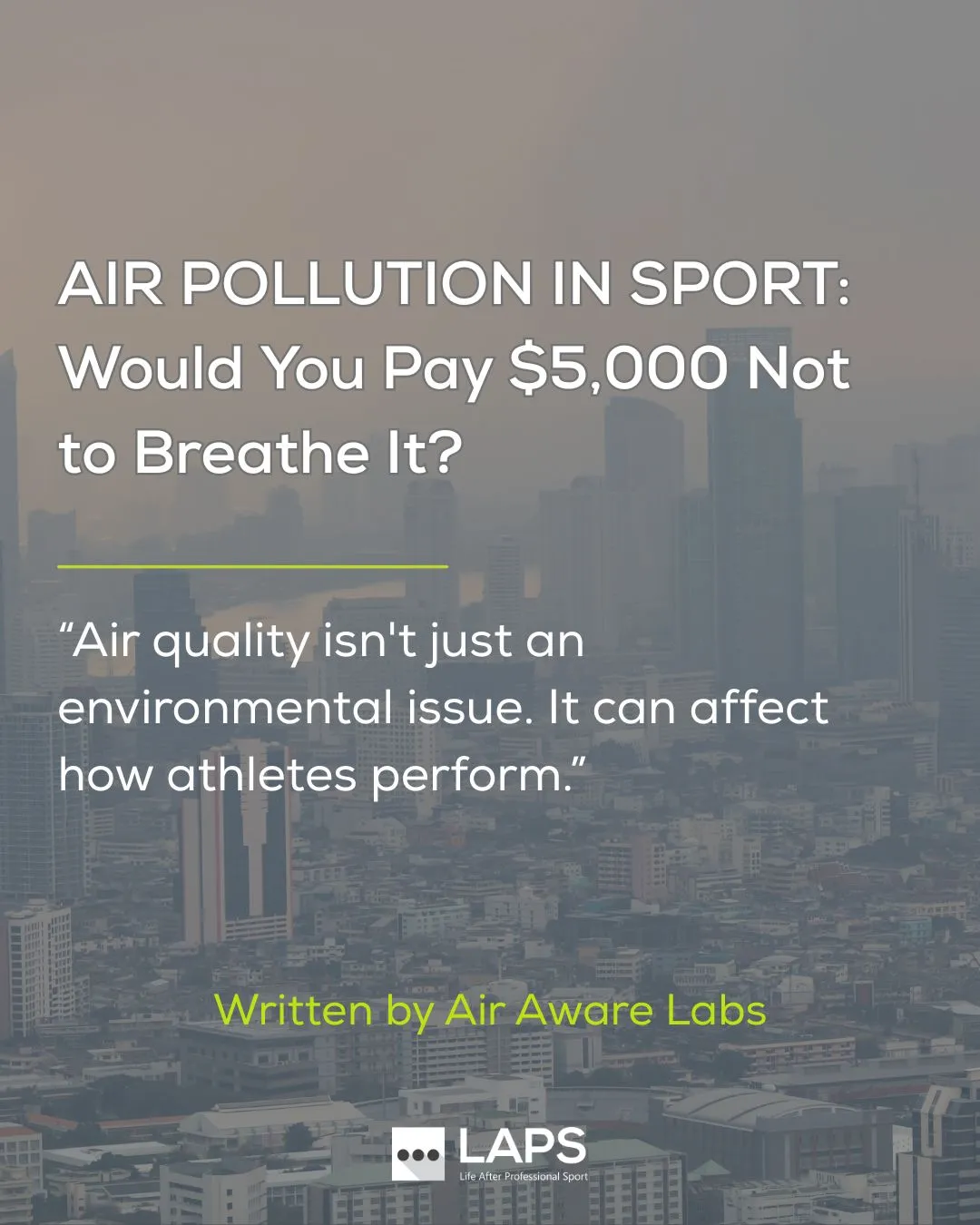
Clean air is fundamental for a healthy life. It has significant impacts on health and well-being but is often overlooked. From the air quality on our commute, the heat on our run, the pollen count or the diesel micro-plume we sat in at the lights are the invisible contexts shaping how we feel, perform and recover.
Wearables’ data blind spot
This data blind spot is a fundamental analytical failure that significantly limits the potential of wearable AI.
Studies have repeatedly linked short-term exposure to fine particulate air pollution (PM2.5 i.e. tiny solid or liquid particles in the air less than 2.5 micrometres wide), with rapid reductions in heart rate variability, a key marker of heart health.
Other research shows that short-term exposure to nitrogen dioxide (NO2) is associated with more daily hospital visits for atrial fibrillation. In addition, athletes who train or compete when air pollution levels are high tend to have slower race times.
This data confirms what athletes already know through experience. The same athlete with the same plan can have wildly different outcomes co-produced by the external environment, something not captured by dashboards.
Without that context, we risk misattributing causes, over-correcting training programmes or becoming focused on recovery, when the real, high-impact solution is switching to a cleaner route, shifting a workout time or adding a reminder to wear ear protection.
How wearables can adapt
A more holistic, forward-looking device could prioritize health over small performance gains. For example, it might recommend a slightly slower route along quieter back streets with lower NO2 levels or suggest using noise-cancelling headphones to reduce exposure to harmful noise.
When a drop in heart rate variability happens alongside a high-pollution commute, the platform can interpret it correctly and advise targeted, personalized mitigations (such as specific nutrition, hydration or just exposure avoidance) instead of a generic "rest day" alert.
How to compound value
Environmental health burdens are not evenly distributed; however, integrating exposure data enables truly personalized, equitable guidance.
For example, Strava Metro aggregates anonymized movement data, which can help cities understand how and where people travel, giving planners and researchers the insights they need to influence urban design.
World Athletics used Strava Metro data for its Running for Clean Air campaign in Lagos, Nigeria and Warsaw, Poland. In Glasgow, Metro data helped researchers identify where investment could have the biggest impact for clean, safer cycling routes.
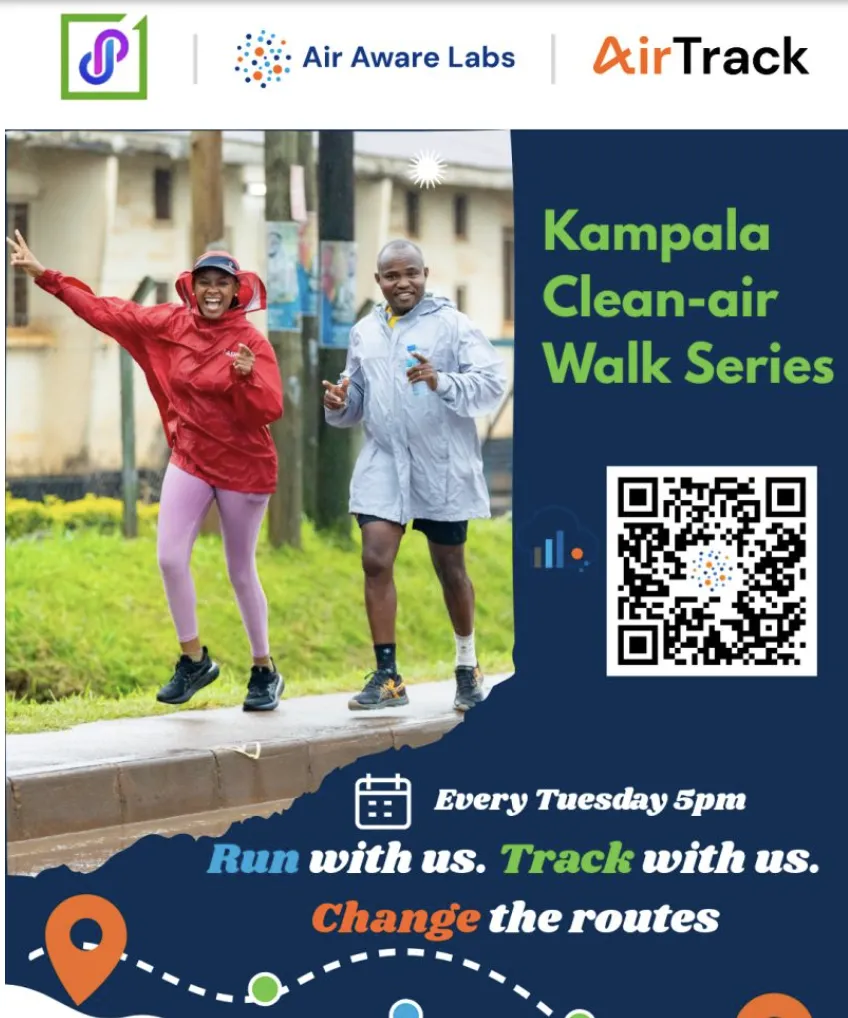
This same principle underpins our work at Air Aware Labs, connecting environmental exposure data with Strava activities so athletes can review past exposure and choose cleaner routes.
What an environmental health layer looks like
Fortunately, integrating environmental health tracking doesn't require new wearables. At Air Aware Labs, we've developed a standalone mobile app that translates high-resolution air quality modelling into health-relevant insights and exposure-aware guidance for everyday life and exercise.
The AirTrack app is already being used by individuals, enterprises and runners raising funds for Asthma + Lung UK. The same exposure layer can also be delivered directly into existing wearables and apps via APIs, allowing personal environmental health to sit alongside heart rate, sleep and training data.
Our approach:
- Make exposure visible: Add a simple “exposure score” on every journey: an intuitive indicator of air quality exposure whilst raising important awareness.
- AirCoach for “where” and “when”: Deliver micro-nudges such as “tomorrow 7-9 am looks cleaner than 5-7 pm” to help users plan around pollution.
- Make the clean choice easy: Offer route suggestions weighted by time, effort and predicted exposure, rewarding users who pick cleaner paths.
- Create a civic feedback loop: Use anonymized data to help employers and city planners pinpoint high-exposure areas.
- Build on trust: Keep features opt-in, transparent and privacy-first.
From personal wellness to public health
This is where it scales.
Employers, insurers and cities share a goal: prevention that people actually use. Exposure-aware leaderboards can turn air pollution from an abstract risk into a shared, gamified challenge, mapping directly onto wellbeing and productivity metrics.
But the bigger impact lies in public health.
Poor air quality is the fourth leading risk factor for early death worldwide. Imagine if the NHS App or similar platforms delivered preventive nudges: an asthma patient receiving an air quality alert before walking to school or a COPD patient prompted to use an inhaler pre-emptively as pollution levels rise.
That’s data-driven preventive medicine: avoiding acute events, cutting admissions and building resilience.
Universities will continue to develop the science; agile startups can validate and deploy it, bridging research and real-world use until national systems are ready to scale it.
Making the invisible visible
Wearables and digital platforms can now coach not just how we move but also where and when.
Researchers and cities can translate these insights into healthier urban design. Employers and insurers can close the loop, rewarding exposure-aware choices as part of wellbeing. Startups, such as Air Aware Labs, build the connective tissue, the algorithms and the APIs that bridge this gap.
Physiology tells us what happened; environmental health explains why. When the focus shifts from performance to prevention, the data on our wrists becomes a blueprint for healthier, longer lives.
.svg)