Air Aware Labs brings it home

July 22, 2026
When we first asked whether air quality could shape the 2026 World Cup, it was a question about margins: heart rates, pass accuracy, recovery time. A tournament in, we have an answer written in real scores, real form, and real athletes training in the same cities as the teams.
During a match, a footballer's breathing rate runs 10–20 times higher than at rest. Every pollutant in a host city's air gets pulled in with it, at the exact moments performance margins matter most. Read our full article on how air quality could influence the World Cup for the science behind it.
Who's playing in the best air?
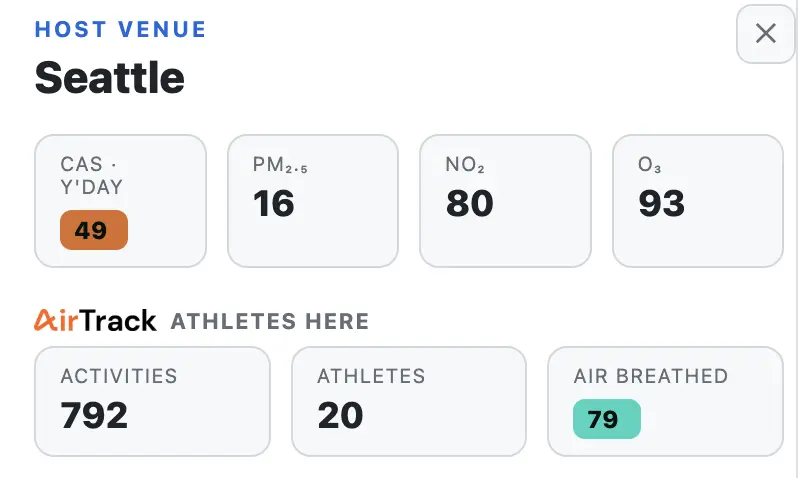
Houston takes the trophy for cleanest football of the tournament, with a Clean Air Score of 94, Excellent, and the best of any venue. Most host cities have kept it close behind, staying in Good-to-Excellent territory all tournament long. Seattle (49, Poor) and Mexico City (59, Moderate) are the two with the most room to climb before the next World Cup comes around.
Air and form move together
Line teams up by the average Clean Air Score across their matches, and a pattern appears. Cape Verde have played in the cleanest air of any side, averaging 86 practically a home crowd, wherever they've turned up. Mexico (61) and Egypt (63) have had to find their form in tougher conditions than most. We're not saying air quality wins matches but it's one more variable worth knowing, right alongside form, fatigue and fitness.

The view from the ground
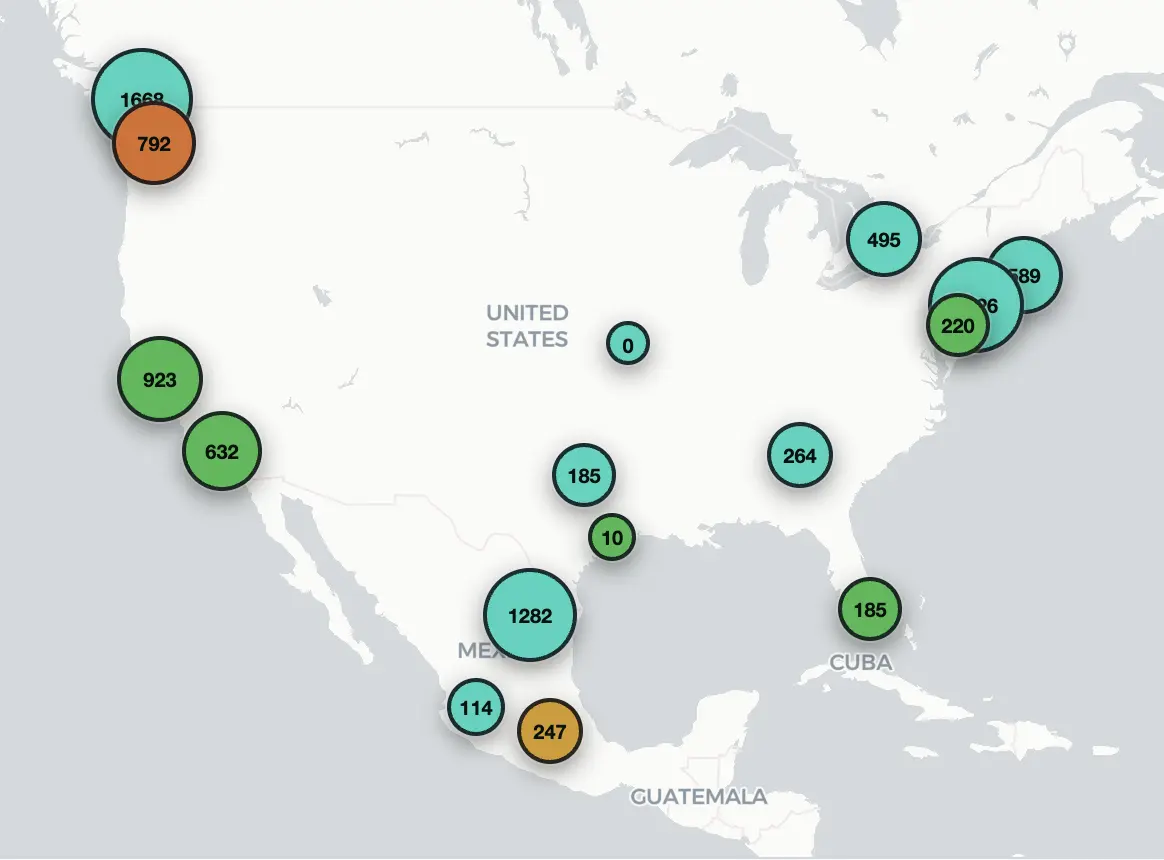
The tournament isn't the only thing happening in these host cities. Vancouver leads the way with 1,668 outdoor activities from 33 AirTrack athletes, more than anywhere else on the list. New York has drawn the biggest crowd of athletes, 74 of them logging 1,426 activities between them. Kansas City hasn't logged a single AirTrack activity yet which just means someone there gets to be first.
What this tells us
No match is won or lost on air quality alone. But across 16 cities and a month of football, the numbers show real, measurable variation in the air players and fans are breathing exactly the kind of invisible detail worth making visible.
Explore the full Clean Air World Cup