


We worked with Medipex, funded by InnovateUK, during early 2026 to understand the economic impact of use of AirTrack for respiratory conditions
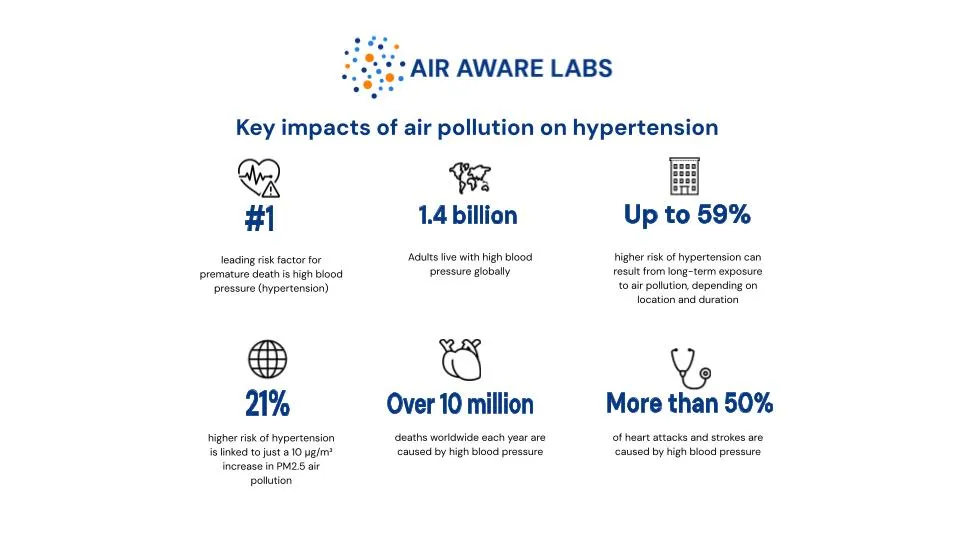
Air pollution can affect more than just your lungs. Constant exposure and inhalation of fine particulate matter (PM2.5) has been linked to an increased risk of high blood pressure, also known as hypertension. High blood pressure is often referred to as the “silent killer” because it rarely causes noticeable symptoms, yet it can severely damage the cardiovascular system.

Longevity Technology has announced Air Aware Labs is one of the top 30 finalists for its inaugural startup pitch competition, with companies spanning diagnostics, neuroscience, women’s health, oncology, nutrition and environmental health.
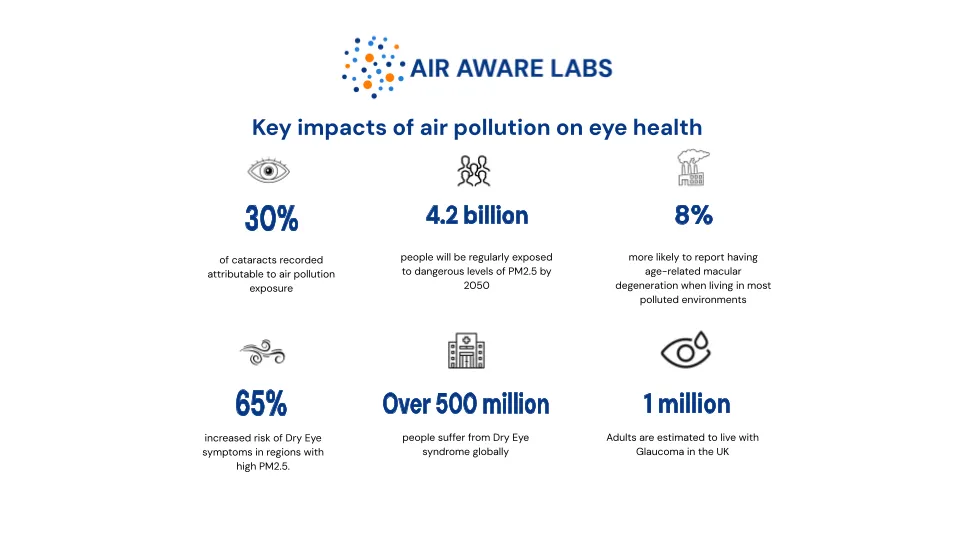
Air pollution affects society every day and continues to jeopardise human health as a whole. The human eye, in particular, serves as a first line of defence against environmental pollutants, with only a thin layer of precorneal tear film separating it from any harmful external particles and chemicals. Repeated exposure to air pollution can cause inflammation and oxidative stress increasing the risk for long-term vision problems. From the constant discomfort of dry eyes to vision threatening diseases, the air we live in can completely shape our health and how we see our everyday life.
.png)
On 6 May we launched pollen tracking in AirTrack!
February is Heart Health month. We look at the link with air pollution exposure.
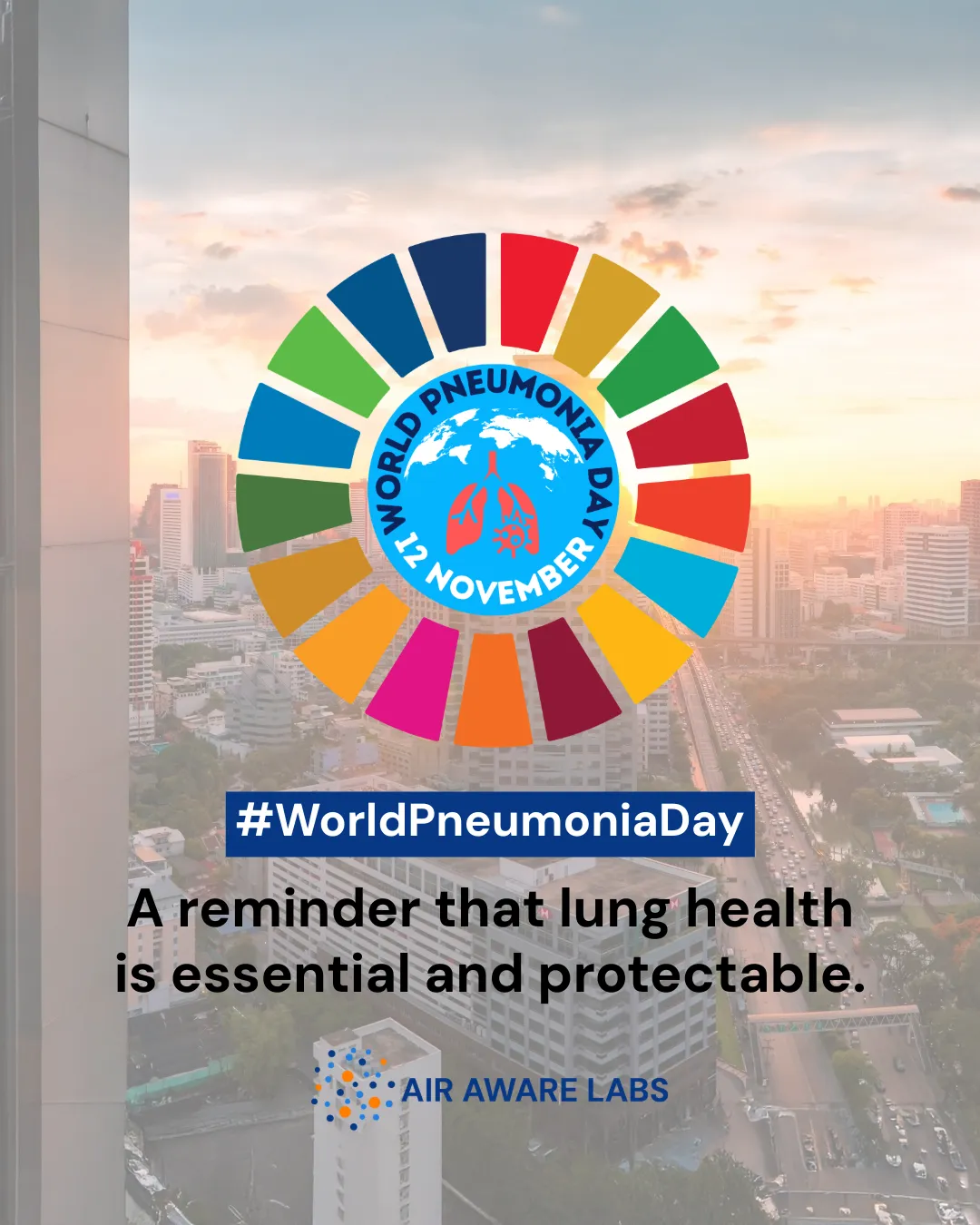
This World Pneumonia Day, help us raise awareness of how clean air and timely medical care can protect lung health and improve quality of life.

That familiar tickle in your nose, the escalating waves of sneezing, the relentless itch in your eyes… If spring in 2025 feels less like a season of joy and more like an allergy battlefield, you’re far from alone. Hay fever sufferers around the world are facing an increasingly challenging reality. Recent "pollen bombs," coupled with the ever-present issue of air pollution, have created a perfect storm, intensifying and prolonging the impact for millions.

Every day, we breathe in air pollutants that slip past our body’s defences and enter the bloodstream. While air pollution is commonly linked to respiratory issues, its impact extends far beyond the lungs. Prolonged exposure to pollutants significantly increases the risk of developing type 2 diabetes and life-threatening cardiovascular diseases. Tiny particles travel deep into the bloodstream, moving from the lungs to the heart, where they contribute to heart and circulatory diseases.

On World Mental Health Day, we look at the impact of exposure to air pollution on mental health. Particulate matter is known to reach every organ in the body, so it should not be surprising that it can lead to mental illness. However the exact mechanisms and impacts are less well understood and scientists are calling for greater research into this.

Dementia is a debilitating condition affecting millions worldwide, characterised by the progressive decline in brain functioning that impacts memory, thinking, and other mental abilities.

Did you know that the average Londoner spends 6% of their time commuting, but this time accounts for 30% of their air pollution exposure? This exposure depends on how you choose to commute to work, the surrounding traffic, and the surrounding environment.

Air pollution impacts our everyday life, and we now know that it can negatively impact babies before they are even born.

Every 10 seconds, someone experiences a potentially life-threatening asthma attack. World Asthma Day (7 May 2024) provides us with a moment to reflect on the impact of air pollution on asthma.

On World Health Day we lay bare the stark facts about the impact of air pollution on our health
Sign up for our fortnightly company newsletter on LinkedIn for exclusive insights and updates.


